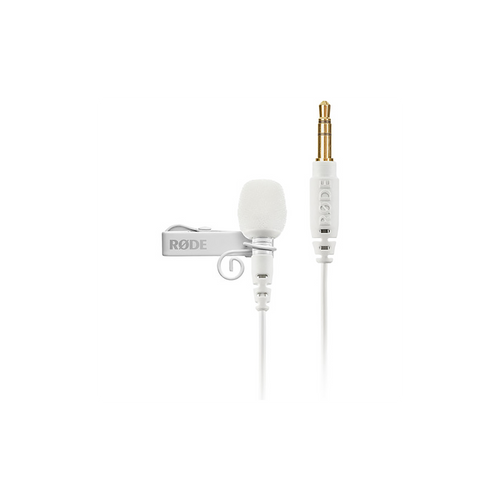
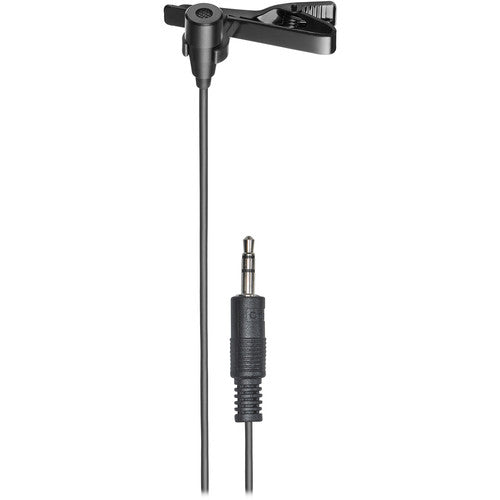
RODE Lavalier GO Microphone - White - OPEN BOX
Key specs
- Type Lavalier microphone
- Pickup pattern Omnidirectional
- Capsule Condenser
- Connection 3.5mm TRS
- Capsule diameter 4.5mm
- Cable Kevlar® reinforced
- Finish White
Save $24.01
Looking for a quality microphone in Canada? This page brings together wireless systems, lavalier mics, on-camera shotgun mics, USB microphones and studio condensers for video, podcasts, music and streaming. Whether you want a compact microphone for your phone or a large-diaphragm mic for the studio, you can compare options here and shop at Excellent Photo in Montreal.
Key specs
Save $24.01
Key specs
Key specs
Save $180
Key specs
Key specs
Key specs
Key specs
Key specs
Key specs
Key specs
Key specs
Key specs
Save $15
Key specs
Key specs
Key specs
Save $10
Key specs
Save $6.96
Key specs
Save $60
Key specs
Save $170
Key specs
Key specs
Key specs
Key specs
Key specs
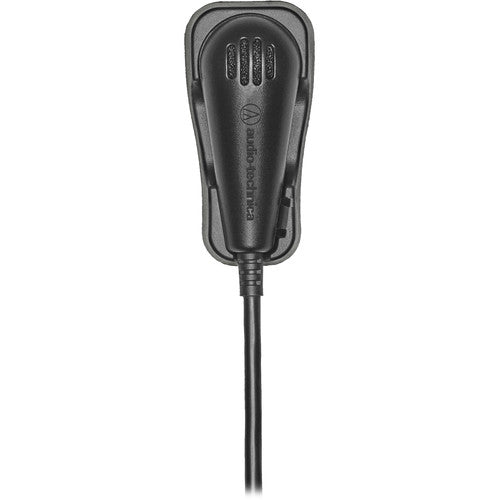
Start with what you will record. For vlogs and interviews, a wireless microphone frees you from cables, and a lavalier microphone clips discreetly to clothing. For filmmaking, an on-camera microphone or a shotgun microphone picks up sound in front of the camera. For voice-overs, podcasts and music, a studio recording microphone gives the cleanest result.
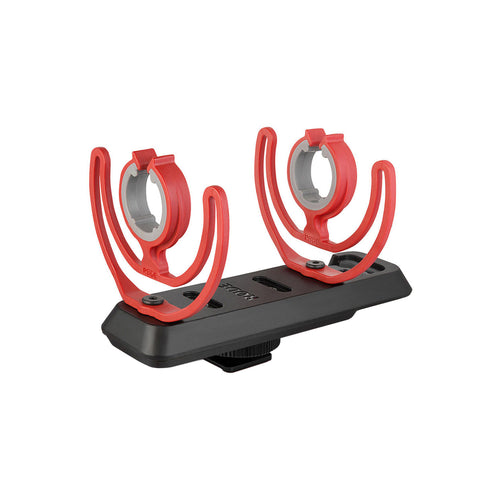
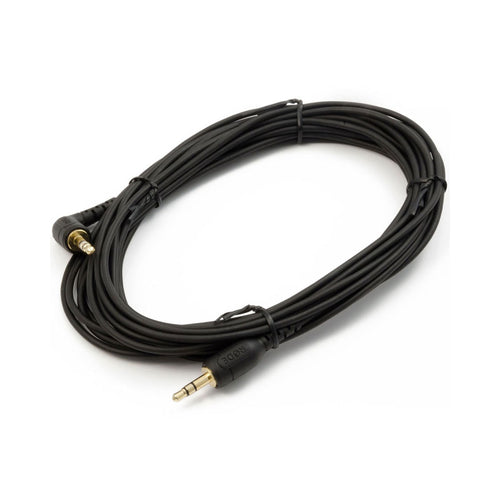
Condenser mics capture detail in a quiet room, while dynamic mics handle louder or less treated spaces well. Beginners often do well with a simple USB mic or a clip-on wireless kit. Don't forget stands, cables and shock mounts in microphone accessories.
This page includes microphones and accessories from Rode, DJI, Sennheiser, Sony, Zoom, Saramonic and Shure.

It depends on your use. Wireless lavalier systems suit interviews and vlogs, shotgun mics suit video, and condenser or dynamic mics suit studio and podcast work.
Compact on-camera mics and small wireless systems, such as the Rode VideoMicro or the DJI Mic Mini, are easy to carry. Check your camera or phone connection first.
A USB microphone like the Rode NT-USB Mini or a clip-on wireless kit is simple to start with, since it needs little extra gear.
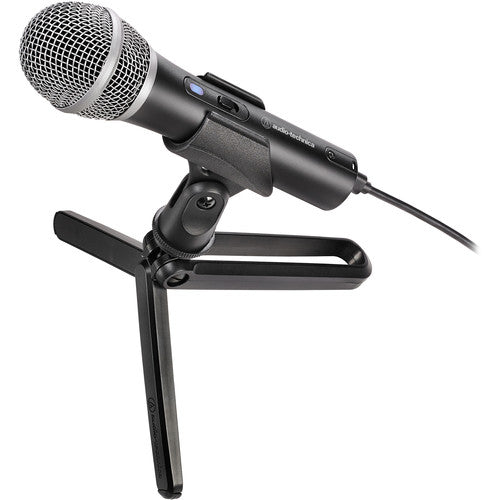
Condensers are more sensitive and detailed, ideal for quiet rooms. Dynamics are sturdier and reject more background noise.