How to choose a Rode mic
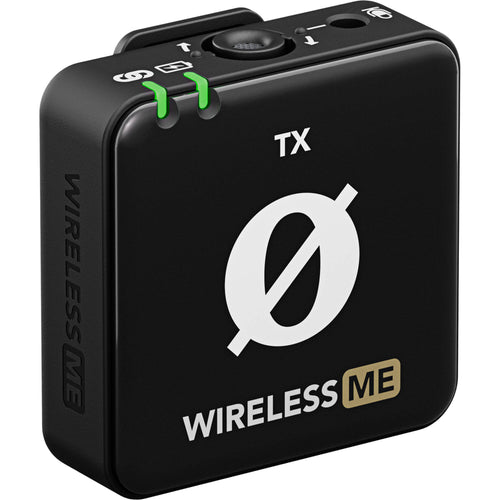
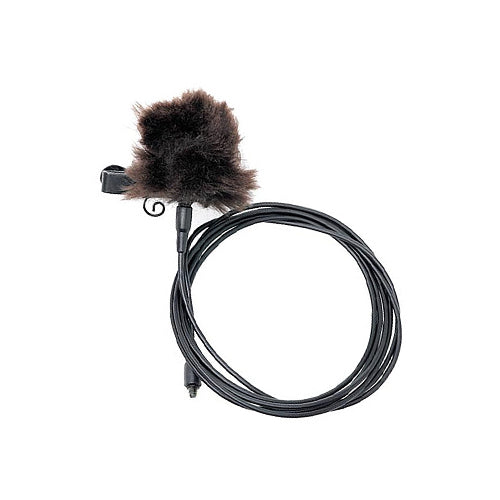
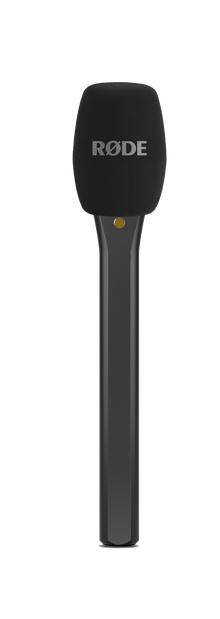
Start with where you will record. For vlogging, interviews and run-and-gun video, a wireless system is the easiest way to get clean voice without a cable. The Rode Wireless GO II is a compact two-person system, and the RODE Wireless PRO comes with lavaliers for clip-on use. The Interview GO turns a Wireless GO into a handheld interview mic.
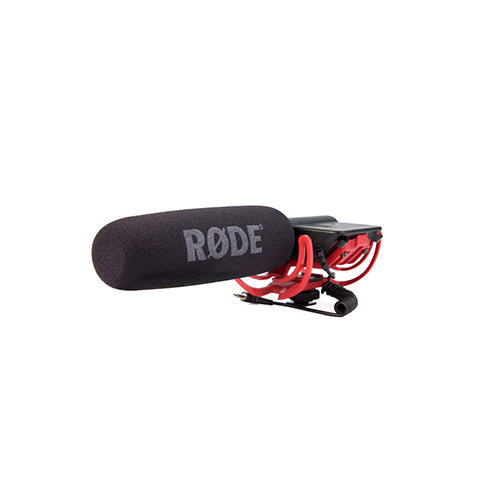
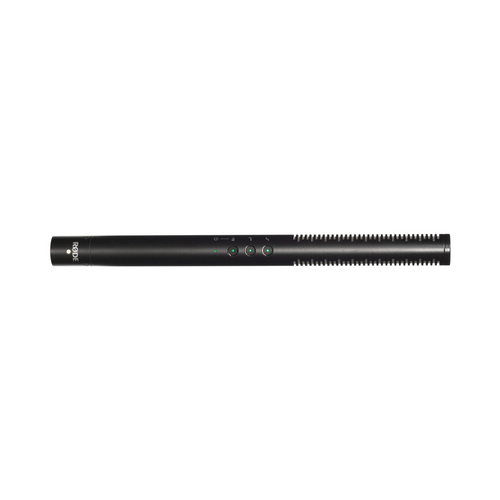
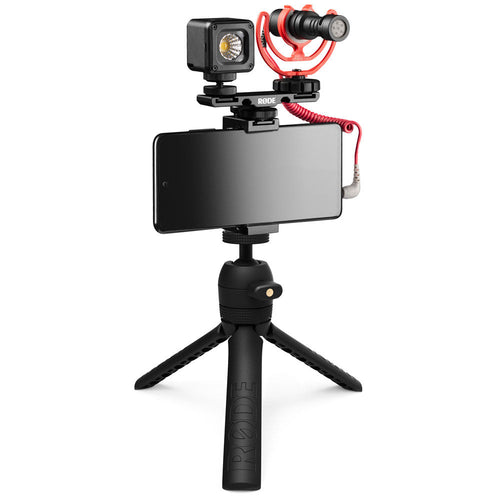
If you mostly shoot with one camera and want better sound than the built-in mic, an on-camera microphone is simpler. The VideoMicro is small and light, while the VideoMic NTG is a shotgun model for more directional pickup.
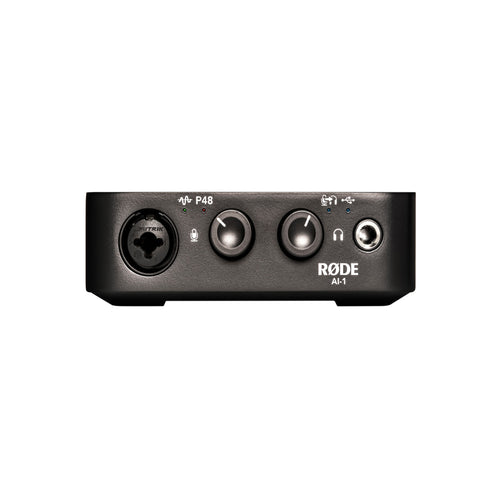
For a desk, podcast or voice-over setup, look at USB or XLR studio microphones such as the NT1 Signature Series. USB mics plug straight into a computer; XLR mics need an interface or mixer, which you can browse in our audio interfaces.
Accessories and connections
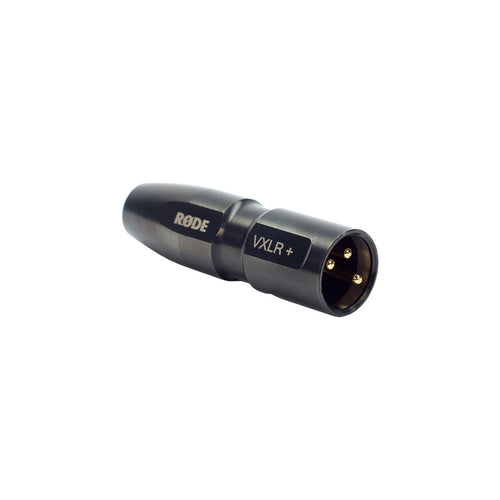
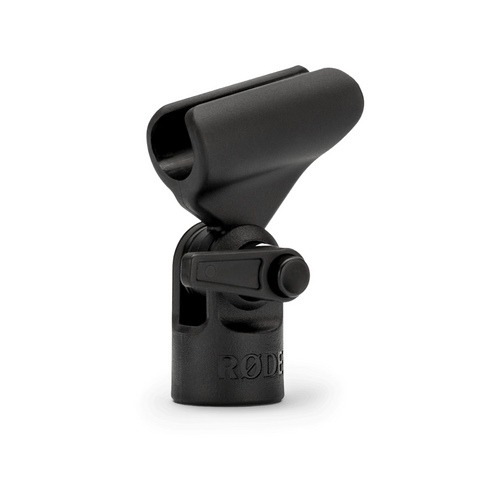
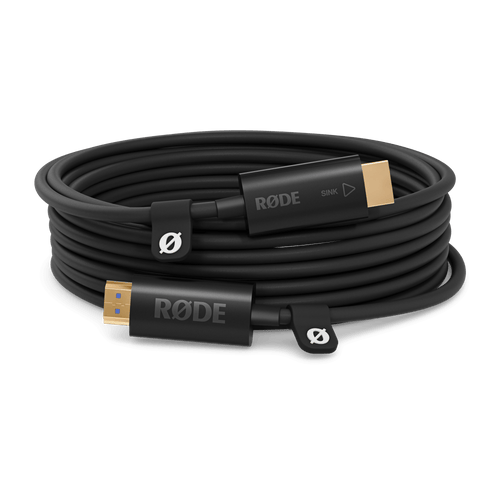
A boom arm keeps the mic close to your mouth and your desk clear. Browse our audio accessories as well for cables and adapters. Check your phone or camera's connector (USB-C, Lightning or 3.5mm) before choosing a cable or adapter.
Rode products here
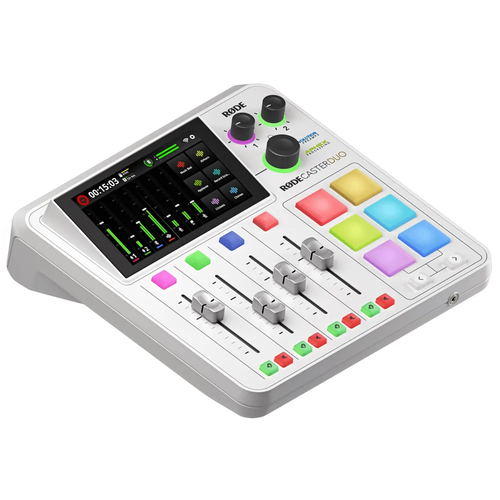
We carry Rode wireless microphones, on-camera mics, lavaliers, studio microphones, RODECaster production studios, NTH-100 headphones, patch cables and studio arms. More gear is on our Rode X page.
Frequently asked questions
What is the best Rode mic for video?
It depends on your setup. Wireless systems like the Wireless GO suit interviews and vlogs, while a shotgun such as the VideoMic NTG suits on-camera use.
Do you sell Rode microphones in Canada?
Yes. Excellent Photo is based in Montreal and ships Rode microphones across Canada.
Is there a Rode camera mic?
Yes, the VideoMicro, VideoMic GO II and VideoMic NTG are on-camera models. Check your camera's microphone input before ordering.
Which Rode accessories do I need?
Often a boom arm, a cable that matches your device's connector, and a lavalier or handheld adapter depending on how you record.